
Tag: Billing Best PracticesHealthcare Billing Scamshealthcare data breachesHealthcare PaymentsMedical Billing ScamsSecure Patient Payment Portal
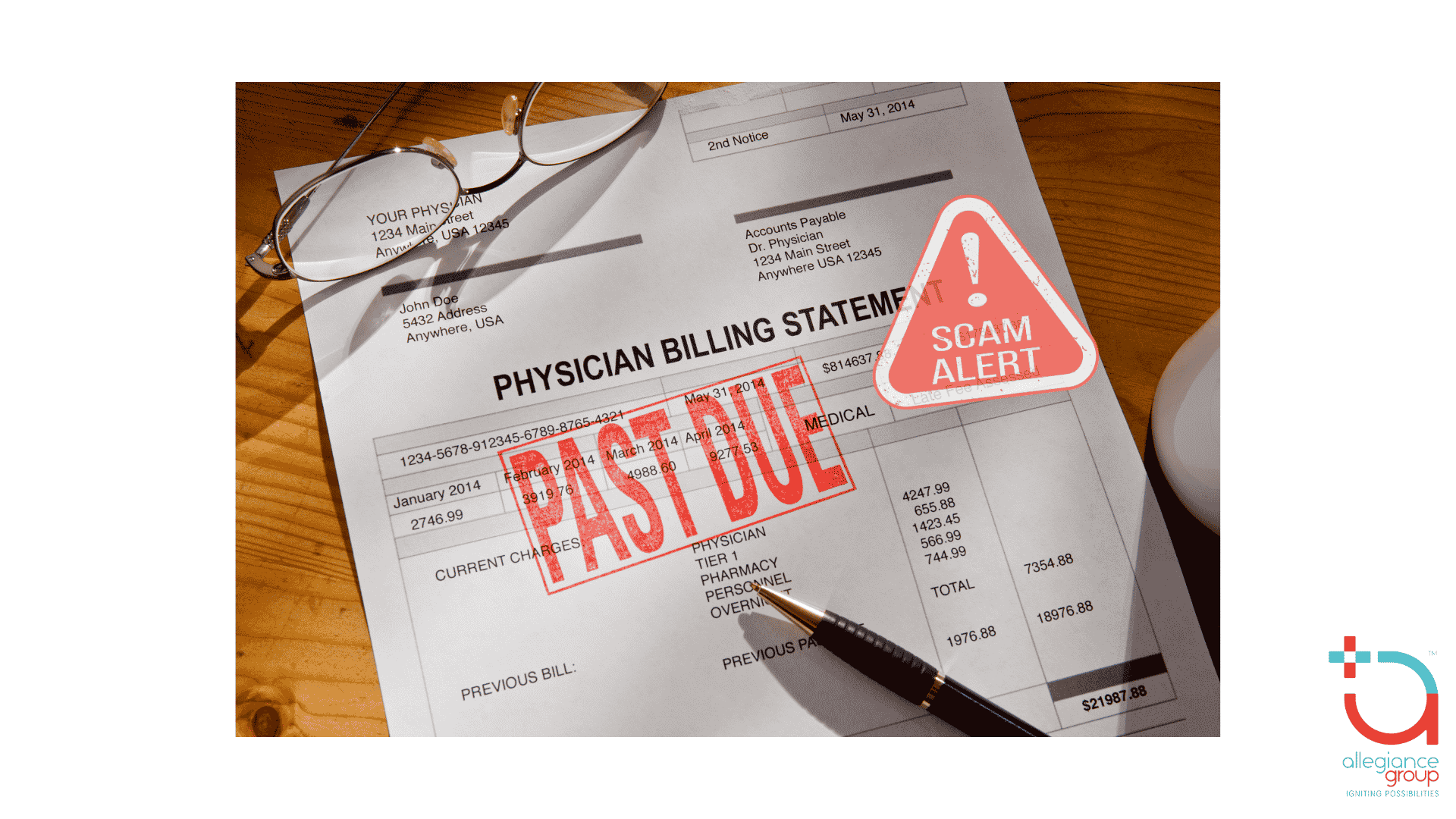
Reading Time: 4 minutesHealthcare billing fraud is not just a patient problem. It is a provider risk. As scams targeting customers continue to rise, providers are increasingly pulled into the middle, fielding confused calls, managing reputational risk, and addressing potential payment disputes.
For HME, DME, infusion, and specialty pharmacy providers, the ability to recognize and prevent fraudulent billing activity is critical. It protects customers while also helping maintain trust and consistent cash flow.
Why Medical Billing Scams Matter to Providers
Fraud in healthcare is significant and growing. According to the Federal Trade Commission, consumers reported losing over $10 billion to fraud in 2023, with imposter scams among the most common.
Within healthcare, the risk is even more pronounced. The Centers for Medicare & Medicaid Services report that improper payments in the DMEPOS category exceed $9 to $10 billion annually, one of the highest error rates across Medicare segments. The Office of Inspector General has also consistently identified DME as a high-risk area for fraud, including billing for items not received or medically unnecessary equipment.
At the same time, patient responsibility continues to rise. Research from the Kaiser Family Foundation shows that a majority of privately insured individuals are now enrolled in high-deductible health plans. This increases out-of-pocket costs and the likelihood that customers will question or delay paying bills.
For providers, this creates a perfect storm. Increased call volume, delayed payments, reduced patient trust, and greater exposure to fraud all become part of daily operations.
Common Signs of Fraudulent Billing Activity
Providers should be aware of patterns that may indicate scams affecting their customers.
Customers may report bills for services not rendered or describe urgent or threatening payment requests. They may reference payment requests that do not match your standard process or communication style. In some cases, provider information may be incorrect or inconsistent.
These signals often point to impersonation scams, which are among the most frequently reported fraud types according to the Federal Trade Commission.
Where Billing Processes Create Risk
Fraud risk often increases when billing workflows lack consistency or transparency.
The Healthcare Financial Management Association notes that patient confusion around billing is one of the leading drivers of delayed payments and disputes. The Medical Group Management Association also emphasizes that unclear financial communication directly impacts both collections performance and patient satisfaction.
In the HME and DME space, this risk is amplified. Recurring supplies, multiple invoices, and varying payer responsibilities can make it difficult for customers to distinguish legitimate bills from fraudulent ones.
Manual processes, delayed statements, and limited visibility into account activity all contribute to that confusion. When customers do not recognize what a legitimate bill looks like, fraud becomes easier.
How to Help Customers Verify Legitimate Bills
Providers play a key role in guiding customers toward safe and trusted verification methods.
Encourage customers to contact your office directly using known contact information. Reinforce the importance of reviewing insurance Explanation of Benefits alongside billing statements. Most importantly, direct customers to your official patient payment portal as the single source of truth.
Platforms like COLLECTPlus support this by providing real-time account visibility, consistent billing information, and a centralized location for statements and payments.
This reduces confusion and builds confidence, especially as customers take on more financial responsibility. It also gives your staff a reliable source of reference when responding to patient questions.
If your current process does not provide this level of clarity, it may be time to evaluate how your billing workflow is supporting both your team and your customers.
Establishing Safe and Consistent Payment Practices
To reduce fraud exposure, providers should standardize how payments are requested and processed.
The Federal Trade Commission warns that scammers frequently demand payment through unconventional methods such as gift cards, wire transfers, or cryptocurrency. These requests are a clear signal of fraud.
Providers should consistently direct customers to a secure payment portal and avoid collecting payments through unsecured channels. It is also important to clearly communicate when customers should expect a bill, what legitimate communications look like, and how payments should be made.
Secure platforms like COLLECTPlus help reinforce these standards by protecting payment data, delivering consistent communication, and offering trusted payment options.
Allegiance Group also prioritizes security and data protection through HITRUST certification, one of the healthcare industry’s most rigorous security and compliance frameworks. HITRUST certification helps validate that systems and processes meet high standards for protecting sensitive healthcare and payment information.
Consistency is one of the most effective ways to prevent fraud. It also reduces inbound calls and accelerates payment timelines.
How to Respond When Fraud Is Suspected
Final Thoughts: Clarity Is Your Best Defense
Fraud prevention is not only about security. It is about clarity.
For HME and DME providers, where billing complexity, recurring services, and higher patient responsibility intersect, even small gaps in communication can create opportunities for fraud and confusion that delays payment.
When customers clearly understand how, when, and where to pay, they are far less likely to fall victim to scams. At the same time, providers benefit from fewer disputes, faster payments, and stronger patient relationships.
Solutions like COLLECTPlus help providers deliver that clarity, creating a more secure, transparent, and efficient billing experience for both staff and customers.
If you are evaluating ways to strengthen your billing process, improve patient trust, and reduce fraud risk, it may be worth taking a closer look at how your current workflow supports those goals.
Request a demo to see how COLLECTPlus can help your organization create a more secure and effective patient billing experience.

Quality DME was writing off a lot of patient A/R because they did not have a complete Patient-pay Billing and Collection system. Their staff was responsible for printing and mailing statements but did not have time to make collection calls. So, they used the outside collection company. Without an integration with their collection company, it was challenging to track the payments the collection company received.
Quality DME Boosts Collections through Integration
CareLinc improved intake process significantly; reducing Patient-Pay A/R

BrookWell Infusion Testimonial

FloMed Infusion Services Maximizes Cash Flow with COLLECTPlus
We are now attending events in person. Please join us at the following events:

