
Tag: Healthcare TechnologyPatient BillingPatient Engagementrevenue cycle managementSecure Patient Payment Portal
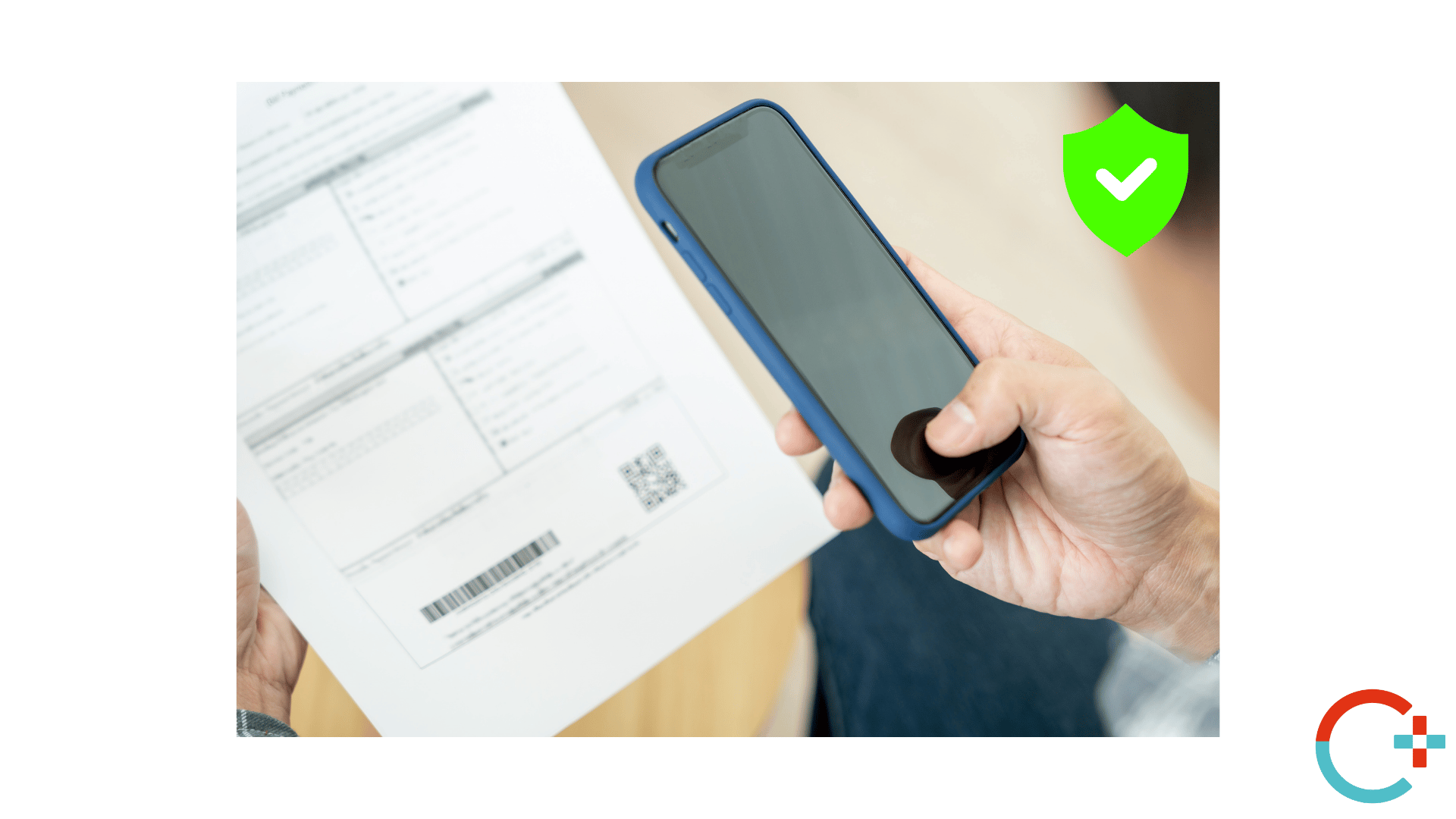
Reading Time: 3 minutesDigital payments are becoming the standard in healthcare billing. Customers expect the same convenience they experience in other industries, from online shopping to banking. But while adoption is growing, trust remains fragile.
For providers in HME, DME, infusion, and specialty pharmacy, building trust in digital payment experiences is not just about technology. It directly impacts whether customers choose to pay, how quickly they pay, and how often they call with questions.
What Customers Worry About
Customers are open to digital payments, but they approach them with caution.
One of the biggest concerns is security. Data breaches continue to make headlines, and customers are increasingly cautious about sharing financial information online. According to Experian Health, customers are significantly more likely to delay or avoid payment when they do not trust the billing process or digital payment experience.
Customers are also wary of fraudulent links and text messages. With the rise of phishing (email) and smishing (text message) attacks, it can be difficult to distinguish legitimate billing communications from scams. The Nacha (National Automated Clearinghouse Association) has highlighted the growing need for consumer education around secure digital payments as fraud tactics continue to evolve.
Confusing billing adds another layer of hesitation. Multiple statements, unclear balances, and inconsistent messaging can make customers unsure of what they owe or where to pay. When uncertainty increases, trust decreases.
Key Trust Drivers in Digital Payment Experiences
Best Practices for Building Trust
Trust is not built through a single feature. It is the result of a consistent, secure experience.
Security should be built into every layer of the payment process. The PCI Security Standards Council outlines industry standards for protecting cardholder data, including encryption and secure transaction processing. Using HTTPS, tokenization, and secure payment gateways help ensure that sensitive information is protected.
Consistency in messaging is just as important. Customers should receive communications that align across statements, text messages, and the payment portal. When messaging is predictable and familiar, it reduces confusion and reinforces trust.
A simple user experience is critical. Customers should be able to quickly understand what they owe and how to pay without unnecessary steps. The easier it is to navigate the process, the more likely they are to complete payment.
The COLLECTPlus Payment Portal is designed with these principles in mind, combining secure payment technology with a clear, user-friendly interface that supports both customers and staff.
The Impact of Trust on Revenue
Trust is not just a patient experience metric. It is a financial driver. When customers trust the payment process, they are more likely to pay promptly. This leads to higher payment rates and improved cash flow.
Increased trust also drives self-service. Customers who feel confident using a digital portal are less likely to call with questions or request assistance, reducing the burden on staff. Lower call volume allows billing teams to focus on higher-value tasks, improving overall operational efficiency.
Over time, these improvements create a more predictable and sustainable revenue cycle.
Conclusion: Trust Drives Payment Behavior
Digital payment adoption will continue to grow, but trust will determine how effective those tools truly are.
Providers who invest in clear communication, secure technology, and consistent patient experiences will be better positioned to reduce friction, improve satisfaction, and accelerate payments.
Platforms like the COLLECTPlus Payment Portal help bring these elements together, giving customers a secure and reliable way to manage their financial responsibility while supporting providers with greater transparency and efficiency.
If you are looking to strengthen patient trust and improve payment performance, it may be time to evaluate how your current digital payment experience supports those goals.


Quality DME was writing off a lot of patient A/R because they did not have a complete Patient-pay Billing and Collection system. Their staff was responsible for printing and mailing statements but did not have time to make collection calls. So, they used the outside collection company. Without an integration with their collection company, it was challenging to track the payments the collection company received.
Quality DME Boosts Collections through Integration
CareLinc improved intake process significantly; reducing Patient-Pay A/R

BrookWell Infusion Testimonial

FloMed Infusion Services Maximizes Cash Flow with COLLECTPlus
We are now attending events in person. Please join us at the following events:

